



Unify Supply Chain Operations with Microsoft Dynamics 365
Microsoft Dynamics 365 Supply Chain Management (SCM) unifies end-to-end data across global logistics, manufacturing workflows, and warehouse operations. The platform integrates AI-powered demand forecasting, real-time inventory visibility, and automated fulfillment on a single cloud ERP foundation. By replacing fragmented legacy systems with one source of truth, businesses can scale production, optimize assets, and mitigate supply risk.
Extend Supply Chain Intelligence with AI and Automation
Dynamics 365 SCM's foundational layer connects every stage of the enterprise, driving operational resilience and structured compliance across complex distribution channels. Navigating the deployment, configuration, and long-term optimization of these capabilities is where our specialized Dynamics 365 SCM Consulting Services come in.
Microsoft continues to extend Dynamics 365 SCM with AI agents that are changing how organizations manage daily operations. These autonomous, AI-driven agents monitor processes, interpret signals, and execute tasks with minimal human intervention — from basic information retrieval to automated actions such as drafting supplier emails, governed by the business rules and approval limits you define. Custom agents can be built in Copilot Studio to tailor these workflows to your exact operating model.
![[object Object]](https://ws23.devtpit.com/-/media/Images/websyn/What-We-do/Microsoft/Dynamics-365/Supply-Chain/Extend-Supply-Chain-Intelligence-with-AI-and-Automation.webp?iar=0&hash=22B64F9B4908122937D89DFFA12E724F)
Our AI-Powered Control Centre for Dynamics 365 SCM
Every supply chain function generates valuable data, but the real challenge is making decisions when that data stays disconnected. Dynamics 365 SCM's AI-powered Supply Chain Control Centre solves this by unifying operational data from ERP, MES, WMS, TMS, IoT, and quality systems into a single source of truth.
AI continuously analyzes business rules, live events, and KPIs to identify patterns and relationships across the supply chain. It shows decision-makers how a single disruption can affect operations from supplier to customer while delivering prioritized recommendations backed by business impact and confidence scores. The result is a connected operating model where every department works from the same trusted data, enabling faster, smarter decisions across the enterprise.
Optimize Your Supply Chain with Microsoft Dynamics 365 SCM
AI-powered demand forecasting, real-time inventory tracking, and automated fulfillment help enterprise planning move faster while reducing downtime and labor shortages. Our Dynamics 365 SCM Consulting and Implementation teams turn these capabilities into a working operating model, not just a licensed feature set.
Core AI-Powered Capabilities
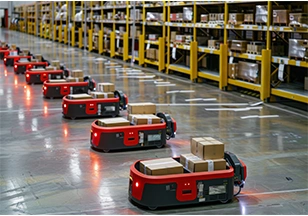
Automated Warehouse Management (WMS)
Automate picking, packing, and sorting to maximize warehouse throughput and fulfillment efficiency. Floor workers get intuitive mobile apps for faster scanning, real-time tracking optimizes space utilization, and embedded dashboards give end-to-end operational visibility.
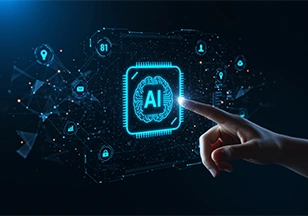
AI-Driven Demand Planning & Forecasting
Demand planning blends historical and real-time data to sharpen forecast accuracy and cut manual planning effort. Consolidating multiple data feeds automatically lets you optimize stock levels continuously, reduce holding costs, and respond to shifting market conditions — replacing guesswork with data-driven precision and preventing costly stockouts and overstock situations.

Real-Time Manufacturing & Production Control
Gain end-to-end, near-real-time visibility into shop floor operations. Planning optimization models adapt instantly to resource constraints, job scheduling and shop floor execution stay unified, and granular production-cost analysis helps eliminate factory waste — all while giving manufacturers the flexibility to adapt quickly to changing customer specifications.

Predictive Asset Maintenance
Connect industrial equipment to Internet of Things (IoT) sensors to enable enterprise asset management and predictive maintenance. Predictive algorithms flag potential equipment failures before they cause downtime, automate corrective work orders, and extend the lifespan of high-value capital assets and spare-parts inventory.

Procurement & Vendor Collaboration
Centralize vendor management to streamline procurement and automate the procure-to-pay lifecycle. AI-powered invoice capture matches supplier documents automatically, purchase order and contract tracking stay transparent, and a collaborative supplier portal supports better terms and a more resilient supply base.

AI, IoT & Intelligent Automation
IoT sensors feed real-time signals from machines and vehicles straight into AI models, triggering corrective actions, dynamic shipment routing, and automation of repetitive administrative work — moving organizations toward a modern, touchless operations environment.

End-to-End Supply Chain Visibility
Breaking down organizational data silos gives decision-makers a single, centralized view of raw materials, in-transit goods, and final deliveries. That clarity lets teams get ahead of shipping delays, customs bottlenecks, and material shortages before they affect a customer commitment.

Compliance & Quality Management
Automated product inspection workflows, non-conformance tracking, and product safety recall management help ensure every item meets industry-specific standards — reducing legal exposure and protecting brand trust without slowing operations.
